
Dental Implant Failure & Salvage Beaverton
Give Your Rebuilt Smile Another Chance

Dental implants are the world’s only permanent tooth replacement solution, and over the years have earned an incredible track record for success. In fact, today’s implants only have a failure rate of about five percent. Unfortunately, however, that means in some rare instances, they can still fail. If you are experiencing a loose dental implant in Beaverton, don’t wait for matters to get worse. Contact us today for dental implant salvage treatment and give your restorations a second chance!
Why Do Dental Implants Fail?
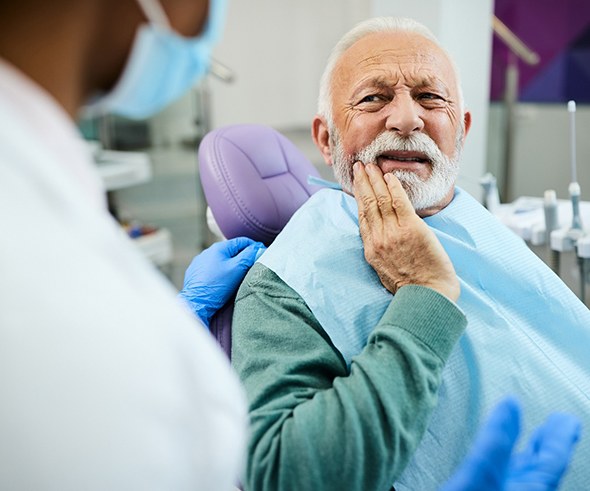
There are typically two main causes of dental implant failure: peri-implantitis, which is a condition similar to gum disease that occurs when bacteria infect the connective tissues around your implant and weakens the supporting jawbone structure, or failed osseointegration, where the dental implant does not properly fuse with the jawbone after placement.
Other reasons can include injury, medication, or radiation from certain medical treatments.
Symptoms of a Failed Dental Implant

Although failure can occur soon after placement, it is possible for it to happen at any time, even years after your initial surgery. Some common signs that may indicate your dental implant is failing may include:
- A loose or wobbly implant.
- Worsening pain at the implant site weeks or more after the initial surgery.
- Gum infection or inflammation, tender, swollen, or bleeding gums, and leaky pus or discharge at the implant site.
- Receding gums surrounding the dental implant site exposing the post.
- Painful chewing or biting with the implant.
- Nerve damage or numbness surrounding the dental implant, tongue, lips, or gums.
- A persistent bad taste in the mouth or foul-smelling breath.
How Dental Implant Salvage Works
If you suspect a problem with your dental implant, please don’t wait for it to get worse. The earlier we can detect a failing prosthetic, the easier and less expensive it can be to correct.
If your implant is failing, we will do our best to restore your oral health so reimplantation may be possible. This could include things like gum disease therapy, bone grafting, or other treatments designed to restore your oral health. Then, once your jaw and gums are healthy, we may be able to redo your dental implant treatment. This will be similar to your first treatment, including the same steps (surgery, osseointegration, the placement of abutments, and the placement of final restorations) and will require a similar recovery process and time.